
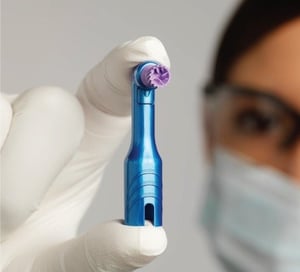
Most dental hygienists treat prophy cups like interchangeable tools without noticing how design details shape their work. Yet, the difference between ribbed vs webbed prophy cups or soft vs firm types can change how well you remove plaque and control splatter. This guide breaks down what you need to know about prophy cup design differences to sharpen your polishing routine and ease your daily workload. Learn more about these differences here.
Exploring Prophy Cup Design
Understanding the nuances of prophy cup design can transform your dental practice. Let's explore the various types to enhance your clinical outcomes.
Ribbed vs. Webbed Prophy Cup
Choosing between ribbed and webbed prophy cups may seem minor, but it can affect your polish quality. Ribbed cups are known for their superior plaque removal. They grip paste well, providing a thorough clean. This is ideal for patients with heavy stains, making each pass effective.
Webbed cups, meanwhile, offer gentle polishing. They suit patients with minimal staining. Their design allows for smooth rotation, which helps in avoiding gum irritation. Next time you face a choice, consider the stain level and patient comfort.
Soft vs. Firm Prophy Cup
The firmness of a prophy cup plays a crucial role in polish performance. Soft cups adapt easily to tooth surfaces. They are gentle on the gums, ideal for patients with sensitive oral tissues. This adaptability enhances your ability to clean delicate areas.
Firm cups, on the other hand, provide better control. They retain their shape under pressure, helping you tackle tough stains. When choosing, think about the patient's gum condition and the stain level you need to address.
Variations in Cup Size and Flare
Size and flare of prophy cups can also impact your work. Smaller cups are precise, allowing you to reach tight areas. They are perfect for detailed work, especially around orthodontic brackets. Larger cups, however, cover more surface. They are efficient for quick cleanings on flat tooth surfaces.
Flare design influences paste retention. A flared cup holds more paste, extending your polish time without reapplying. Select the right size and flare based on the procedure's complexity.
Performance and Comfort Impact
Now, let's delve into how these designs impact overall performance and comfort during procedures. Small tweaks in design can yield significant improvements.
Stain and Plaque Removal Dental Polishing
Effective plaque removal is a top priority. Ribbed cups excel in this area, thanks to their grooves. They trap plaque effectively, reducing the need for multiple passes.
Webbed cups, while gentle, can occasionally require more time for complete plaque removal. Yet, they minimize gum irritation, which is crucial for patient comfort. Your choice should balance efficiency and patient sensitivity.
Reducing Splatter Dental Polishing
Splatter control is another aspect impacted by cup design. Using the right cup can reduce mess, enhancing both hygiene and patient comfort. Ribbed cups, with their firm grip, limit splatter by keeping paste in place. This helps maintain a clean work area and prevents discomfort for patients.
Webbed cups, due to their smoother motion, might lead to slightly more splatter. Being aware of this can guide your choice, especially in settings where cleanliness is paramount.
Hygienist Ergonomics Tools
Ergonomics matter for your comfort and efficiency. Overusing firm cups can lead to hand fatigue. A study in the Medidenta Clinical Report highlights the importance of alternating cup types. Soft cups provide relief and reduce strain over long sessions.
Ergonomic tools can make a significant difference. Utilizing a mix of prophy cup designs can help maintain your performance throughout the day.
Choosing the Right Prophy Cup
Selecting the correct prophy cup is pivotal for excellent care. This section will guide you through personalized choices and common pitfalls.
Dental Polishing Cup Types and Patient Needs
Matching cup types to patient needs enhances treatment outcomes. Heavy stains call for ribbed cups, offering deep cleaning. For routine check-ups with minimal plaque, webbed cups suffice. Knowing your patient's oral health status helps tailor your approach effectively.
Common Selection Mistakes
Many clinicians overlook cup firmness, leading to suboptimal results. A common mistake is using a firm cup on sensitive gums. This can cause discomfort and reduce patient satisfaction. Always consider gum sensitivity when selecting prophy cups.
Speed, Consistency, and Outcomes
Consistency in speed and outcomes is essential. A well-chosen cup can improve your polishing efficiency by up to 25%, as noted by RDH Magazine. This ensures each patient receives top-notch care, boosting overall satisfaction.
By understanding these design elements, you empower yourself with tools for better dental care. Remember, each detail counts in your quest for excellence.