
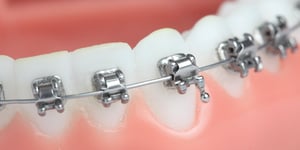
Single vs double buccal tubes often spark more questions than answers in orthodontic practice. Many professionals treat their choice as a simple preference, missing how each option shapes treatment mechanics from archwire flexibility to auxiliary attachments. This post breaks down key orthodontic buccal tubes differences, helping you select the right molar tube for your cases with confidence and clarity. For an in-depth understanding, check out this resource [https://ivanovortho.com/what-is-the-buccal-tube/].
Understanding Buccal Tube Differences
Choosing between single and double buccal tubes is more than just a preference. Each option offers unique benefits and challenges that can significantly influence treatment outcomes. Let's explore these differences to help you make informed choices.
Design and Functionality Insights
The design of buccal tubes directly impacts how they function in orthodontics. Single buccal tubes offer simplicity, often featuring a single slot for archwire placement. This makes them a straightforward choice for basic cases. In contrast, double buccal tubes provide an extra slot, allowing for additional attachments like elastics or headgear. This added functionality can be invaluable for complex cases requiring more control.
Consider the functionality: single tubes prioritize ease of use, while double tubes offer versatility. When selecting between them, think about the specific needs of your patient and the complexity of the treatment plan.
For more detailed insights, you can refer to this detailed article that delves into buccal tube designs.
Archwire Placement and Flexibility
Archwire placement is a cornerstone of orthodontic treatment. Single buccal tubes provide a clear path for archwire insertion, reducing the risk of errors during placement. This can be particularly helpful in ensuring consistent treatment progress.
On the other hand, double buccal tubes offer enhanced flexibility. With an extra slot, they allow for additional adjustments and modifications throughout the treatment. This flexibility can be crucial when dealing with unexpected changes in tooth movement or alignment.
Consider how often you need to adjust your treatment plan. If frequent changes are likely, the extra slot in a double buccal tube can be a game-changer.
Auxiliary Use in Orthodontics
Auxiliary components, like elastics and headgear, play a vital role in orthodontic treatments. Double buccal tubes are designed to accommodate these components more effectively, thanks to their additional slot.
While single buccal tubes might suffice for straightforward cases, complex treatments benefit from the adaptability that double buccal tubes provide. They allow for smoother integration of auxiliary components, potentially leading to more efficient treatment outcomes.
If your treatment plan involves multiple auxiliary components, opting for double buccal tubes might be the better choice.
Clinical Considerations for Tube Selection
Now that we've explored the design and functionality, let's delve into clinical considerations. These factors can greatly impact your decision-making process when choosing buccal tubes.
Chairside Efficiency and Adjustments
Efficiency chairside is crucial. Single buccal tubes often simplify the process, reducing the time spent on adjustments. This can enhance the flow of your practice, particularly in busy settings.
However, double buccal tubes offer a different kind of efficiency. Their design allows for quick changes in treatment strategy without the need to replace components. This can save time in the long run, especially in complex cases requiring frequent adjustments.
Consider your practice's pace and the typical complexity of your cases when choosing between these options.
Patient Comfort and Hygiene Factors
Patient comfort is paramount in orthodontics. Single buccal tubes, with their simpler design, tend to be less bulky, which can lead to greater comfort for patients. This can be a significant factor in ensuring compliance with treatment.
Hygiene is another critical factor. The extra slots in double buccal tubes might pose challenges in cleaning, potentially leading to plaque buildup. It's essential to educate patients on proper hygiene practices if you opt for double buccal tubes.
Think about your patients' preferences and their commitment to maintaining oral hygiene when making your decision.
Choosing Based on Case Complexity
The complexity of a case often dictates the choice of buccal tube. Simple cases with limited movement may not require the versatility of double buccal tubes. Single tubes can effectively manage straightforward cases with fewer variables.
In contrast, complex cases involving significant tooth movement or multiple auxiliaries benefit from the adaptability of double buccal tubes. They allow for more intricate treatment plans and adjustments as needed.
Assess the complexity of each case individually to determine the most suitable buccal tube type.
Practical Guidance for Dental Professionals
Armed with an understanding of buccal tube differences, let's look at practical guidance for integrating these insights into your practice.
Supporting Treatment Plans and Preferences
Aligning buccal tube selection with treatment plans is essential. Understanding the specific needs and preferences of each patient can guide you in selecting the right tube type. Customizing your approach can lead to more successful outcomes.
Engage with your patients, discussing their treatment goals and expectations. Use their input to tailor your approach, ensuring they feel involved in the decision-making process.
Avoiding Common Selection Mistakes
One common mistake is overlooking the complexity of a case when choosing buccal tubes. It's easy to default to a familiar option without considering the specific needs of the treatment plan.
Another pitfall is neglecting patient comfort and hygiene. Always factor in how the buccal tube will affect the patient's experience and their ability to maintain good oral hygiene.
Stay vigilant and continuously evaluate your choices to avoid these common errors.
Tips for Consistency in Bracket Selection
Consistency in bracket selection is key to efficient treatment. Develop a set of criteria for choosing between single and double buccal tubes based on case complexity, patient needs, and treatment goals.
Implement these criteria consistently across your practice to streamline decision-making. This approach will not only enhance efficiency but also improve treatment outcomes.
In conclusion, selecting between single and double buccal tubes involves understanding their unique features and aligning them with clinical needs. By considering factors like design, functionality, and patient comfort, you can make informed choices that enhance your orthodontic practice.