
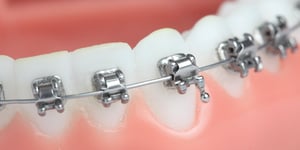
Buccal tube failure can derail treatment schedules, increase chair time, and frustrate both clinicians and patients. This issue often arises from a mix of factors like bonding protocol, occlusal forces, moisture control, tube design, and patient habits. In this guide, you’ll find practical steps to reduce these setbacks and improve outcomes with orthodontic buccal tubes. Learn more here.
Debonding and Bond Failure
Understanding the root causes of debonding is crucial to preventing buccal tube failures. When tubes fail to adhere, it disrupts treatment and patient satisfaction.
Causes of Buccal Tube Failures
Inadequate enamel preparation is a common culprit. If the tooth surface isn't prepped correctly, it compromises the bond. Moisture contamination during bonding can also lead to failures. Using enough adhesive and ensuring even coverage is vital. Improper curing techniques further weaken the bond. Lastly, occlusal interference can exert undue stress, leading to detachment.
Strategies to Prevent Bond Failure
To combat these issues, follow a step-by-step bonding protocol. Ensure enamel is etched properly and kept dry throughout the procedure. Use isolation tools to maintain a clean workspace, and consider Young Specialties' clinical tools for assistance. Before final curing, verify occlusion to prevent premature failure. This simple check can save time and increase success rates.
Occlusal Interference and Shear Stress
Addressing occlusal interferences is key for maintaining stable buccal tube placement. Heavy forces, especially in patients with deep bites, can lead to tube failures.
Addressing Heavy Occlusion
Evaluate the patient's occlusion before placing buccal tubes. This proactive measure can identify potential problem areas. For patients with heavy occlusion or parafunctional habits like grinding, consider alternative treatment approaches. In some cases, banded tubes might offer a more robust solution.
Choosing the Right Buccal Tube Profile
Selecting an appropriate buccal tube profile is essential in managing occlusal forces. Low-profile designs can reduce interference, making them ideal for certain cases. Explore Young Specialties' range of buccal tubes, known for their precision and durability, to find a suitable option for your patient needs. Discover more options here.
Patient-Related Failures
Patients play a significant role in the success of orthodontic treatments. Their habits and lifestyle choices can impact the longevity of buccal tubes.
Impact of Diet and Habits
Diet is a major factor in patient-related failures. Patients should avoid hard foods like ice or nuts, which can dislodge tubes. Poor oral hygiene can also weaken bonds over time. Emphasize the importance of maintaining a healthy diet and oral care routine to your patients.
Effective Patient Communication Techniques
Clear communication is key in ensuring patients adhere to guidelines. Use simple instructions and reinforce them during appointments. Visual aids or printed materials can help patients remember crucial points. By educating your patients effectively, you minimize risks of failures and improve treatment outcomes. For more patient management tips, check this guide.
In conclusion, buccal tube failure can significantly impact orthodontic treatment timelines. By understanding the causes and implementing preventive strategies, you can enhance patient care. Evaluate your current systems and consider incorporating Young Specialties' solutions to optimize your practice.