
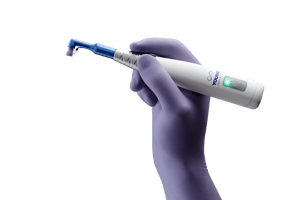
Interproximal polishing plays a critical role in disrupting biofilm and removing stains where toothbrush bristles rarely reach. Tight contacts challenge your ability to clean effectively between teeth without causing discomfort or damage. Not all prophy cup designs handle these narrow spaces equally, making the choice of dental prophy cups essential for clinical precision and patient satisfaction. This post will explore how prophy cup design impacts interproximal polishing and help you select the right tools for different clinical needs. For more details, check out this source.
Why Prophy Cup Design Matters for Interproximal Access
Choosing the right dental prophy cup design is essential for effective interproximal polishing. Different designs offer unique advantages in accessing tight spaces. Let's explore these design elements and how they influence clinical outcomes.
Outer Edge Design: Flared vs. Smooth
The outer edge design of prophy cups plays a crucial role in polishing between teeth. Flared edges can flex, allowing the cup to adapt better to the contours of the teeth. This flexibility ensures that more surface area is covered, which can lead to more effective stain removal. In contrast, smooth edges may not provide the same level of adaptability, potentially missing areas in tight contacts. The choice between flared and smooth edges depends on the specific needs of the patient and the clinical situation.
Internal Webbing vs. Ribs
Internal webbing and ribs affect how the prophy cup interacts with the tooth surface. Webbing helps retain polishing paste, which can be beneficial for thorough cleaning. This design can be particularly effective in ensuring that the paste is distributed evenly across the tooth surface. On the other hand, ribs offer more structural support, which can be advantageous for polishing broader surfaces. However, ribs may not reach as effectively into tight interproximal spaces, making them less ideal for specific situations.
Flexibility and Flare Influence Material Flow
Flexibility and flare in prophy cup design influence how material flows between teeth. A more flexible cup can conform to various tooth shapes, ensuring that polishing material is distributed evenly. This adaptability enhances the cleaning process, especially in areas that are difficult to access. The flare helps guide the material into the interproximal spaces, improving overall efficacy. Understanding how these elements work together can help you choose the right cup for your practice.
Comparison of Young Innovations Prophy Cup Designs
Young Innovations offers various prophy cup designs, each with unique features to enhance interproximal polishing. Here's how they compare in terms of design and function:
Young Elite Original: External Ridges
The Young Elite Original features external ridges designed to enhance interproximal cleaning. These ridges can flex and adapt into embrasures, ensuring effective stain removal in tight spaces. This design is ideal for cases where enhanced flexibility and adaptability are needed.
Young Petite Web: Smooth Edge and Internal Webbing
The Young Petite Web features a smooth outer edge with internal webbing. This design may limit embrasure penetration but offers excellent paste retention. It's best suited for cases where surface coverage is prioritized over deep interproximal reach.
Young Ribbed Cup: Internal Ribs for Lingual Adaptation
The Young Ribbed Cup includes internal ribs designed for lingual adaptation. While effective on broader surfaces, this design may be less ideal for interproximal areas where tight contact is a concern. Consider this option for cases emphasizing lingual surface polishing.
Young Turbo Cup: Unique Internal Ridges
The Young Turbo Cup features unique internal ridges for maximum surface contact. While increased surface contact can enhance overall polishing, it may not replace the need for outer-edge adaptation in tight contacts. This design is suitable for cases requiring comprehensive coverage.
Attachment Type: Screw-Type vs. Snap-On Cups
The attachment type of prophy cups can significantly affect clinical performance, especially in tight interproximal areas. Understanding the differences between screw-type and snap-on cups is essential for making informed decisions.
Stability and Reduced Wobble
Screw-type prophy cups provide enhanced stability and reduced wobble during polishing. This stability ensures that the cup remains securely attached, allowing for precise control in tight spaces. The concentric rotation offered by screw-type attachments minimizes hand fatigue, improving overall efficiency.
Security and Consistency in Tight Spaces
In tight interproximal areas, the security and consistency offered by screw-type cups can be crucial. These cups provide a reliable attachment, ensuring consistent performance throughout the procedure. By choosing screw-type cups, you can achieve better control and precision, enhancing patient outcomes.
Clinical Decision Guide
Selecting the right prophy cup design requires consideration of various clinical scenarios. Here's a short decision framework to guide your choices:
- Tight contacts with moderate stain: Consider flared edges and flexible designs.
- Broad embrasures: Opt for designs with internal ribs or webbing.
- Lingual-heavy stain: Choose cups with internal ribs for better adaptation.
- Orthodontic cases: Use pointed polishers and brushes for effective cleaning.
In conclusion, the design of prophy cups directly influences interproximal polishing outcomes. By understanding and selecting the right design, you can enhance clinical efficiency and improve patient satisfaction. Young Innovations offers purpose-driven design options to support clinical precision, allowing you to deliver exceptional care.