
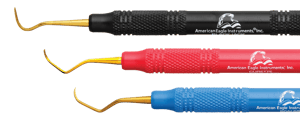
You handle dental hygiene hand instruments every day, but can you always tell which tool fits each task? Mixing up scalers and curettes or misreading periodontal probes can slow your work and affect patient care. This guide breaks down how to identify dental hygiene hand instruments by function so you choose the right tool every time and sharpen your clinical skills.
Major Categories of Dental Instruments
Understanding the core categories of dental instruments is the first step to using them effectively. Let's dive into the specifics of each.
Explorers and Their Functions
Explorers are your first line of defense in detecting oral issues. They help you feel for irregularities on tooth surfaces. With their sharp, slender tips, explorers can identify cavities, calculus, or other surface anomalies. When you use an explorer, you gain insights into areas needing further attention.
Although explorers might seem small, they are mighty in function. They come in various designs, like the shepherd's hook or pigtail, each offering unique benefits. For example, the shepherd's hook is excellent for examining pits and fissures, while the pigtail can navigate interproximal spaces. Knowing which one to pick can make your exams more thorough and efficient.
Scalers vs. Curettes
Scalers and curettes are crucial for calculus removal, but they serve slightly different purposes. Scalers are designed for removing supragingival calculus, thanks to their sharp tips and triangular cross-sections. They're essential for cleaning the visible surfaces of the teeth.
On the other hand, curettes are your go-to tools for subgingival cleaning. Their rounded tips and semicircular cross-sections allow you to clean beneath the gumline without harming the soft tissue. Understanding this distinction ensures you're not just cleaning effectively but also safely, maintaining gum health while removing deeper deposits.
Periodontal Probes and Chisels
Periodontal probes are indispensable for assessing gum health. With their marked notches, they measure pocket depths, helping diagnose periodontal diseases. Probes guide your treatment plans by offering precise data on the health of the patient's gums.
Chisels, though less commonly discussed, play a unique role in shaping and contouring bone. They are particularly useful in surgical settings where precision and strength are required. When used correctly, they enhance surgical outcomes, aiding in the preparation of bone for grafting or other procedures.
Instrument Design Features
The design of each instrument significantly influences its function. Knowing these features helps you select the right tool for each task.
Blade Shape and Tip Configuration
Blade shape and tip configuration are key to the effectiveness of dental instruments. Scalers have pointed tips and triangular shapes, ideal for removing calculus above the gumline. Their design allows for effective scraping of harder deposits.
Curettes, in contrast, have rounded tips and a semicircular design. This makes them perfect for subgingival cleaning. The rounded tip is gentler on soft tissues, reducing the risk of injury while cleaning below the gumline. Recognizing these differences ensures you select the right tool for the job, optimizing patient care.
Cross-Section and Handle Design
The cross-section and handle design of instruments impact not just their function but also your comfort. Instruments with a triangular cross-section, like scalers, are suited for scraping. Their sharp angles allow for effective removal of hard deposits.
Handles also vary: some are thicker for a better grip, reducing hand fatigue during long procedures. Others are textured to prevent slipping, ensuring precise control. Choosing the correct design can enhance both your efficiency and comfort, leading to better patient outcomes.
Ergonomics and Handling Tips
Proper handling of dental instruments is crucial for both your comfort and the patient's experience. Let's explore some ergonomics tips to improve your practice.
Proper Instrument Handling
Proper handling of dental instruments involves more than just technique; it's about ergonomics too. Holding instruments lightly reduces strain on your hands and wrists. Use a pen-like grip for precision and control, especially with delicate tasks.
Positioning is also important. Keep your wrist in a neutral position to avoid unnecessary strain. Adjust your seating and patient chair to maintain a comfortable posture throughout procedures. These simple adjustments can prevent injuries and improve your efficiency during appointments.
Maintaining Efficiency During Appointments
Efficiency during dental appointments is essential for maintaining a smooth workflow. Organize your instruments in the order of use before starting a procedure. This minimizes the time spent searching for tools, allowing you to focus on the task at hand.
Additionally, keep your workspace clean and clutter-free. This not only enhances efficiency but also promotes a professional image. Consider implementing a system for instrument sterilization and storage, ensuring tools are ready for use when needed. These strategies help maintain a high standard of care while maximizing your time.
For a deeper dive into these instruments, check out this comprehensive guide on hand instruments or explore the latest dental instrument technologies.
FAQs
What is the main difference between scalers and curettes?
Scalers are used for supragingival calculus removal, while curettes are designed for subgingival cleaning.
How can I reduce hand fatigue when using dental instruments?
Use a pen-like grip and select instruments with lightweight ergonomic handles to minimize strain.
Why are periodontal probes important?
They measure pocket depths, helping in the diagnosis and treatment of periodontal diseases.
What should I consider when selecting dental instruments?
Consider the design features like blade shape, cross-section, and handle comfort to ensure the right instrument for the task.