
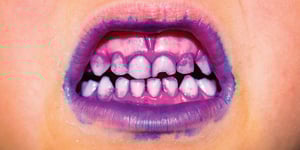
Plaque hides in the nooks and crannies of your patient’s mouth, quietly undermining their oral health. Without clear visualization, it’s easy to miss these trouble spots during hygiene instruction. Understanding the difference between disclosing tablets and disclosing solution can change how you identify and communicate plaque presence, making your dental hygiene tips more effective and precise. Let’s explore when to use each and why plaque disclosing tablets might just be the tool your practice needs. For more insights, check out this resource.
Importance of Plaque Visualization
Before diving into the specifics of disclosing tablets and solutions, it's vital to grasp why visualizing plaque is crucial for oral health. Detecting plaque early can prevent cavities and gum disease, ensuring better dental outcomes.
Understanding Plaque and Oral Health
Plaque is a sticky film of bacteria that forms on teeth. It can lead to tooth decay and gum disease if not removed. Regular brushing and flossing help, but some areas are easy to miss. That's where plaque visualization comes into play, showing you exactly where to focus your cleaning efforts.
Benefits of Effective Plaque Visualization
Spotting plaque early means you can take action to prevent dental issues. Disclosing agents reveal hidden plaque, guiding both you and your patients in improving oral hygiene practices. This not only enhances dental health but also boosts patient confidence in their self-care routines.
Disclosing Tablets Explained
Now that we understand the importance of plaque visualization, let's explore disclosing tablets. These small, chewable tablets are a handy tool for highlighting plaque on teeth.
How Disclosing Tablets Work
When your patient chews a disclosing tablet, it releases a harmless dye that clings to plaque, staining it a bright color. This makes plaque easy to spot and remove. Tablets often use two-tone coloring to differentiate old plaque from new, adding an extra layer of insight. Learn more about these tablets.
Advantages and Disadvantages of Tablets
Tablets are simple to use and highly portable. They are perfect for at-home use, allowing patients to identify problem areas between dental visits. However, they can be messy, as the dye may stain clothing or surfaces. Some patients might also dislike the taste.
Ideal Use Cases for Tablets
Disclosing tablets are ideal for patient education. They empower individuals to take charge of their oral health. Tablets work well in school settings, teaching kids about dental hygiene. They're also great for routine check-ups, providing a visual guide for both dentists and patients.
Disclosing Solutions Overview
Moving on to disclosing solutions, these liquid agents offer another method for plaque detection. They're applied directly to the teeth, where they highlight plaque effectively.
How Disclosing Solutions Function
Disclosing solutions come in liquid form. You apply them with a swab or toothbrush, and they adhere to plaque, turning it a noticeable color. This method provides a clear and precise view of plaque distribution in the mouth.
Pros and Cons of Solutions
Solutions offer a more controlled application and can be less messy than tablets. They're often preferred in clinical settings due to their precision. However, they require more preparation and cleanup, which might not suit every patient's preference for simplicity.
Typical Use Cases for Solutions
Disclosing solutions are best suited for dental clinics where professionals can guide their application. They're also useful during in-depth hygiene instruction, allowing for a thorough examination of oral cleanliness. Dentists can use them to demonstrate effective brushing techniques to patients.
Comparing Tablets and Solutions
With a basic understanding of both methods, it's time to compare them. Each has unique benefits and challenges, so choosing the right one depends on your needs.
Convenience and Accuracy Factors
Disclosing tablets are more convenient for everyday use, especially at home. Solutions, on the other hand, provide greater accuracy and are better suited for professional settings where precision is paramount.
Patient Comfort and Suitability
Patients often find tablets easier and more comfortable to use. They're especially suited for children and those less familiar with dental procedures. Solutions require a bit more handling but offer precision that professionals appreciate.
Choosing the Right Option for Dental Professionals
For dental professionals, the choice between tablets and solutions often depends on the setting and the patient's needs. Tablets are excellent for quick checks and educational purposes, while solutions shine in detailed examinations and professional demonstrations.
Conclusion
In the quest for optimal oral health, both disclosing tablets and solutions offer valuable tools for plaque visualization. Whether enhancing patient education at home or providing precise assessments in a clinic, understanding their differences can help you choose the best option for your practice. By incorporating these tools, you empower patients and improve their dental hygiene, leading to healthier smiles and greater confidence.